Spring Hill · Weeki Wachee · Brooksville · Hernando BeachKeith Mathias, REALTOR® · 727-753-8588
Flood & Insurance

Flood Zones, Insurance and Florida’s Flood Disclosure When Selling in Hernando County

Most inland Spring Hill homes sit outside high-risk flood zones. Coastal and river areas are different. Either way, Florida now requires sellers to complete a flood disclosure, and buyers are asking more questions than ever.

Keith MathiasKeith Mathias, REALTOR® · RE/MAX ChampionsServing Spring Hill & Hernando County
Aerial view of the shallow flats off Hernando Beach, FL
Photo: FHarder, CC BY-SA 4.0, via Wikimedia Commons
The Short Answer

Florida requires residential sellers to give buyers a flood disclosure at or before signing the contract. It states whether you know of flood damage during your ownership, whether you filed a flood insurance claim, and whether you received federal flood assistance such as FEMA aid. Beyond that, buyers want to know your flood zone, flood insurance cost and, in higher-risk areas, your elevation. Having those answers ready makes your home easier to buy.

Florida’s Seller Flood Disclosure

Under Florida Statute 689.302, effective for contracts on or after October 1, 2025, sellers of residential property must provide a flood disclosure form. It includes a notice that standard homeowners policies don’t cover flood, and it asks whether the seller:

  • Knows of flooding that damaged the property during their ownership
  • Filed a flood insurance claim, including with the National Flood Insurance Program
  • Received federal assistance for flood damage, such as from FEMA

Disclose honestly. Storm surge from recent hurricanes reached parts of Hernando Beach, Weeki Wachee and other low-lying areas. If your home took water, say so and document the repairs and permits.

Understanding Flood Zones

ZoneWhat it meansLender flood insurance?
X (unshaded)Minimal flood hazardGenerally not required
X (shaded) / BModerate hazard, often the 500-year floodplainGenerally not required
AE / AHigh-risk, 1% annual chance floodRequired with a federally backed mortgage
VECoastal high-hazard with wave actionRequired with a federally backed mortgage

Most of inland Spring Hill east of US-19 is in lower-risk zones, but homes near low spots, ponds or drainage areas can be different. Hernando Beach and parts of Weeki Wachee are largely in high-risk zones. You can check your zone on the FEMA Flood Map Service Center or the county’s GIS maps.

Elevation Certificates

In high-risk zones, an elevation certificate shows how high the home sits relative to expected flood levels. It helps buyers get an accurate flood insurance quote quickly. If you have one, share it. If not, consider ordering one before listing a waterfront home.

Insurance Questions Buyers Ask

  • What do you pay for homeowners and flood insurance?
  • How old is the roof, and do you have a wind mitigation report?
  • Has the home had insurance claims?
  • Can I assume your flood policy? (NFIP policies can generally be assigned to a buyer.)

Insurance cost affects what buyers can afford, so the answers directly affect your sale. See roof, 4-point and wind mitigation.

If Your Home Was Damaged

You can repair and sell, sell as-is or take a direct offer. Large repairs in high-risk zones can trigger FEMA’s substantial improvement or damage rules, which may require elevating the home. Know your status before listing. See selling after hurricane or flood damage.

Want a Plan for Your Home?

Every home and every seller is different. I’ll review your property, the homes it competes with and what you could walk away with, then lay out your realistic options. No pressure and no obligation.

Frequently Asked Questions

Do I have to disclose flooding when selling a house in Florida?

Yes. Florida’s residential flood disclosure requires sellers to state whether they know of flood damage during their ownership, filed flood insurance claims or received federal flood assistance. Known material defects must also be disclosed.

Is Spring Hill in a flood zone?

Most of inland Spring Hill is in lower-risk zones, but some properties near low areas or water are in higher-risk zones. Coastal areas like Hernando Beach are largely high-risk. Check each address on FEMA’s flood map.

Can a buyer take over my flood insurance?

National Flood Insurance Program policies can generally be assigned to a buyer, which can sometimes help with cost.

Should I get an elevation certificate before selling?

For waterfront or high-risk zone homes, it’s often worth it. It speeds up accurate flood quotes for buyers.

This article is general information, not legal, tax, insurance or engineering advice. Rules, programs and market conditions change, so confirm details for your specific situation with the appropriate professional.

Septic & Wells

Selling a Home With a Septic System or Well in Hernando County

Septic systems are common across older Spring Hill, Weeki Wachee, Royal Highlands and rural Brooksville, and many homes outside the city rely on private wells. Here’s how to keep them from slowing your sale.

Keith MathiasKeith Mathias, REALTOR® · RE/MAX ChampionsServing Spring Hill & Hernando County
Wooded homesites in Weeki Wachee, FL from above
The Short Answer

Hernando County doesn’t have a general time-of-sale septic inspection mandate, but most buyers will want one, and some loan types require well water testing. Pumping and inspecting the septic system and testing well water before you list removes a common objection, helps you price with confidence and prevents last-minute repair negotiations. Disclose any known problems.

Is a Septic Inspection Required to Sell?

Florida largely repealed its statewide septic inspection program in 2012, and Hernando County was among the first counties to opt out of the remaining program. There is no general requirement to inspect a septic system just because a home is being sold. In practice, though, buyers almost always include one in their inspection period. If you’re unsure about current rules for your property, the Florida Department of Health in Hernando County is the place to confirm.

Why Inspect Before You List

  • You learn about problems while you still have time and options
  • You can price the home accurately, or fix issues on your schedule
  • Buyers see a recent report and pump-out receipt and feel confident
  • You avoid a surprise repair request late in the deal

What a Septic Inspection Covers

A typical inspection includes pumping the tank, checking baffles and tank condition, and evaluating the drainfield for signs of failure such as saturation or backup. Drainfield replacement is the expensive item, so knowing its condition matters most.

Private Wells

For homes on a private well, buyers and lenders often want a water quality test, commonly for bacteria, and sometimes other contaminants. Have the age of the pump, pressure tank and any treatment system handy. Government-backed loans may have additional well requirements.

Disclosing Septic and Well Issues

Florida sellers must disclose known facts that materially affect the value of the home and aren’t readily observable. A known drainfield problem, recurring backups or a well that has failed testing should be disclosed. Fixing the problem or pricing around it are both valid strategies.

Where Septic and Wells Are Most Common

Many original Spring Hill neighborhoods, much of Weeki Wachee, Royal Highlands and rural Brooksville rely on septic, and wells are common outside central water service areas. Buyers in these areas usually expect it. See selling in Weeki Wachee and selling acreage in Brooksville.

Want a Plan for Your Home?

Every home and every seller is different. I’ll review your property, the homes it competes with and what you could walk away with, then lay out your realistic options. No pressure and no obligation.

Frequently Asked Questions

Do I need a septic inspection to sell my house in Hernando County?

There is generally no county or statewide time-of-sale septic inspection requirement, but most buyers will order one. Confirm current rules with the Florida Department of Health in Hernando County.

Who pays for the septic inspection?

Typically the buyer pays during their inspection period, but sellers often pay for a pre-listing inspection and pump-out to avoid surprises.

Will a failed septic system stop the sale?

Not necessarily. You can repair it, credit the buyer, adjust the price or sell as-is to a buyer willing to handle it.

Is well water testing required?

Some loan programs require it, and many buyers request it. A recent passing test helps.

This article is general information, not legal, tax, insurance or engineering advice. Rules, programs and market conditions change, so confirm details for your specific situation with the appropriate professional.
Timing Your Move

Should You Sell Your Spring Hill Home Before Buying the Next One?

Selling one home and buying another at the same time is a juggling act. The right order depends on your finances, your risk tolerance and how competitive your next market is.

Keith MathiasKeith Mathias, REALTOR® · RE/MAX ChampionsServing Spring Hill & Hernando County
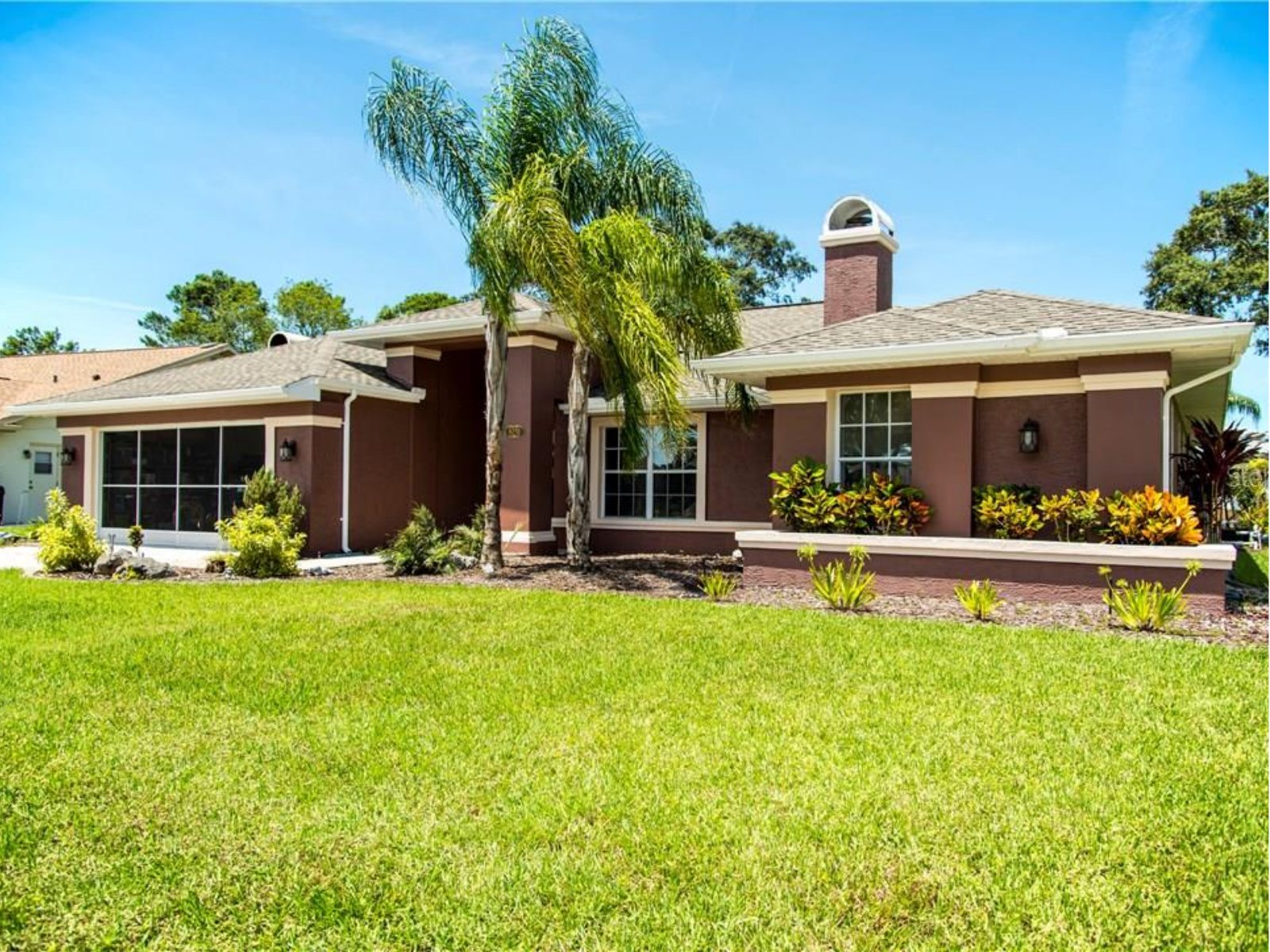
Spring Hill, FL home with landscaped front yard
The Short Answer

Selling first gives you certainty about your budget and avoids carrying two homes, but you may need temporary housing or a rent-back. Buying first lets you move once, but you may need to carry two payments or make a contingent offer. Common bridges include a post-closing rent-back, a sale-contingent purchase, a bridge loan or a home equity line. The best choice depends on your equity, income, the market you’re buying in and your comfort with risk.

Your Options at a Glance

StrategyProsCons
Sell first, then buyKnow your exact budget; no double paymentsPossible temporary move or storage
Sell with a rent-backClose, get your proceeds and stay a few weeksRequires buyer agreement; short-term occupancy terms
Buy with a sale contingencyMove once; protected if your home doesn’t sellLess competitive offer in hot markets
Buy first with a bridge loan or HELOCStrong offer; move onceCarrying costs and qualification requirements

Know Your Numbers

Your net proceeds from the sale shape every decision. I prepare a net sheet early so you know what you can put toward the next home. If you’re staying in Florida, ask about homestead portability. See property taxes when you sell.

Build in Flexibility

Closings can slip a few days because of appraisals, insurance or title. Plan moving dates, utilities and storage with a cushion, and consider a short rent-back so you aren’t moving the same day you close.

Talk to a Lender Before You List

A loan officer can tell you whether you can carry two homes, qualify for a bridge option or need to sell first. That one conversation often decides the strategy.

Want a Plan for Your Home?

Every home and every seller is different. I’ll review your property, the homes it competes with and what you could walk away with, then lay out your realistic options. No pressure and no obligation.

Frequently Asked Questions

Is it better to sell or buy first in Spring Hill?

It depends on your finances and market. Selling first is lower risk; buying first is more convenient but may mean carrying two homes.

What is a rent-back?

An agreement letting the seller stay in the home for a short time after closing, usually with terms for rent, deposit and condition.

Can I make an offer contingent on selling my home?

Yes, though it may be less competitive. Strong pricing and preparation of your current home make a contingent offer more attractive.

This article is general information, not legal, tax, insurance or engineering advice. Rules, programs and market conditions change, so confirm details for your specific situation with the appropriate professional.

Older Homes

Selling an Older Spring Hill Home: What to Update and What to Leave

Much of Spring Hill was built in the 1970s through the 1990s: block homes on quarter-acre lots, often on septic, on streets without sidewalks. They sell well when you fix what blocks a sale and leave the rest for the buyer.

Keith MathiasKeith Mathias, REALTOR® · RE/MAX ChampionsServing Spring Hill & Hernando County
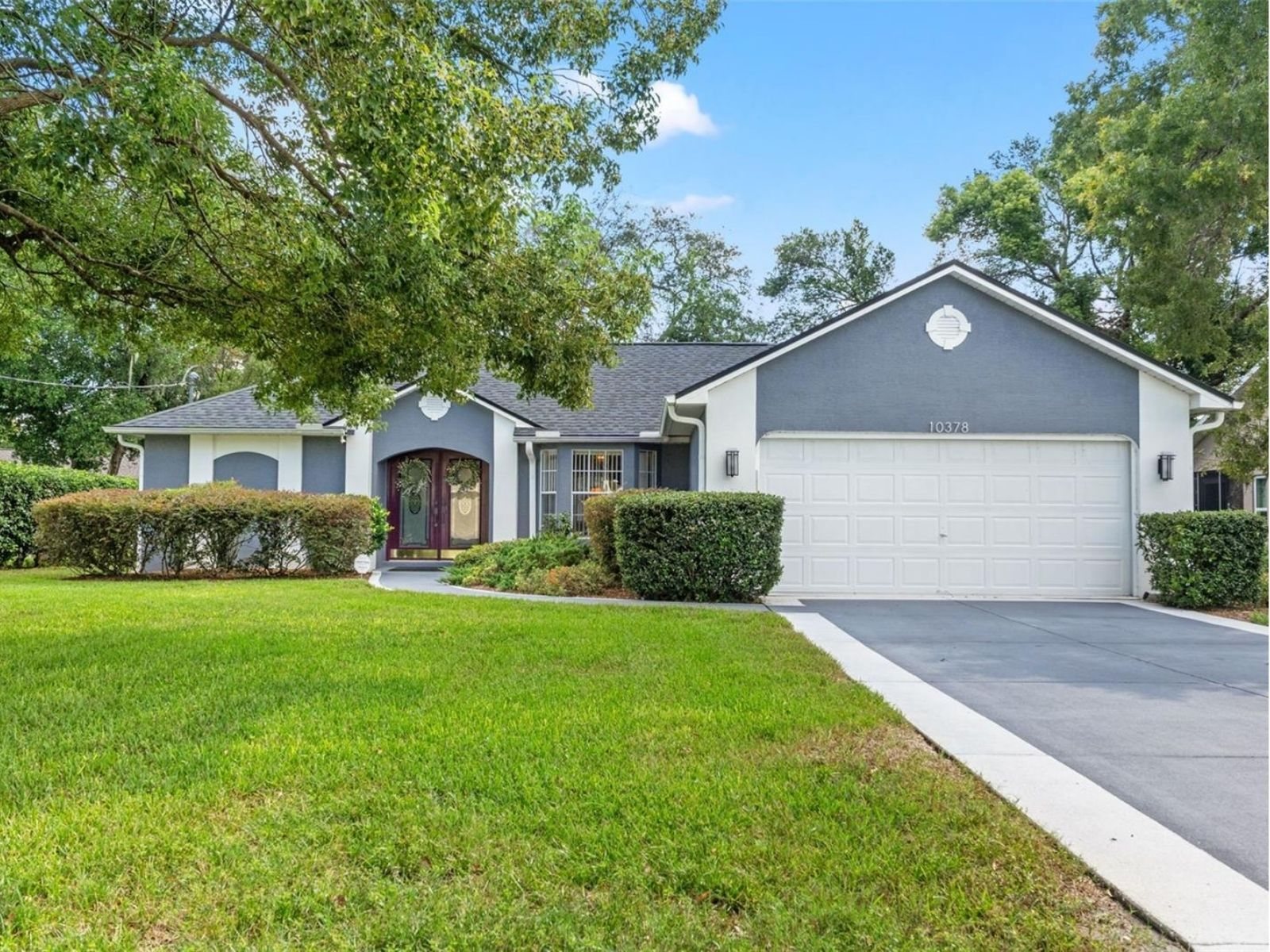
Single-family home in a Spring Hill, Florida neighborhood
The Short Answer

When selling an older Spring Hill home, focus first on anything that affects insurance or financing (roof age and condition, electrical panel, plumbing, water heater and AC), then on low-cost presentation like paint, lighting and cleanup. Big remodels rarely return their full cost. Price the home against similar-era homes in your neighborhood and be upfront about system ages so buyers can budget.

The Classic Spring Hill Home

Spring Hill’s early growth produced thousands of similar homes: concrete block construction, two or three bedrooms, one-car or two-car garages and quarter-acre lots, many on septic systems along streets without sidewalks or deed restrictions. That consistency is useful. It gives us plenty of comparable sales, so pricing can be very precise.

It also means buyers have seen a lot of these homes. Yours needs to compare well against the ones down the street.

Fix These First: Insurance and Financing Items

  • Roof. Roof age and condition drive insurance options. See roof, 4-point and wind mitigation.
  • Electrical panel. Certain older panel brands and outdated wiring can be flagged on a 4-point inspection.
  • Plumbing. Older supply lines and fixtures may raise insurance questions. Fix active leaks.
  • Water heater and AC. Know the ages; replace anything failing.
  • Safety items. Missing handrails, broken windows or exposed wiring should be corrected.

Usually Worth It: Low-Cost Presentation

Fresh neutral paint, updated light fixtures, new cabinet hardware, a thorough cleaning, trimmed landscaping and a pressure-washed driveway change how buyers feel about an older home for relatively little money.

Usually Not Worth It: The Big Remodel

A full kitchen or bath remodel right before selling rarely pays for itself, and it delays your sale. Many buyers of older Spring Hill homes plan to renovate to their own taste. Price the home to reflect its condition and let them.

Sellers see memories. Buyers see projects. Our job is to fix the projects that scare buyers off and price the rest honestly.

Septic, Sidewalks and Other Older-Neighborhood Questions

Buyers moving from newer suburbs may not be used to septic systems or streets without sidewalks. A recent septic pump-out and inspection report answers the first question. The second is a lifestyle trade-off that many buyers happily make for no HOA fees and more freedom. See septic and wells when selling.

Pricing an Older Home

The best comparables are similar-era homes in your neighborhood with similar updates. A fully renovated home down the street isn’t your comparable unless yours is renovated too. Compare honestly, and adjust for roof and AC age, pool, garage and lot. See how to price your Spring Hill home.

Want a Plan for Your Home?

Every home and every seller is different. I’ll review your property, the homes it competes with and what you could walk away with, then lay out your realistic options. No pressure and no obligation.

Frequently Asked Questions

Should I renovate my older Spring Hill home before selling?

Usually not a full renovation. Fix insurance and financing issues and do low-cost cosmetic updates. Major remodels rarely return their full cost before a sale.

Will an old roof stop my house from selling?

It can limit financed buyers if they can’t get insurance. Replacing the roof, offering a credit or selling to cash buyers are all options to compare.

Can I sell an older home as-is?

Yes. Many older homes sell as-is to investors and owner-occupants. You still need to disclose known material defects.

Do buyers mind septic systems?

Most don’t, especially with a recent inspection and pump-out showing the system works.

This article is general information, not legal, tax, insurance or engineering advice. Rules, programs and market conditions change, so confirm details for your specific situation with the appropriate professional.

Sinkhole Homes

Selling a Home With a Sinkhole Claim or Repair in Spring Hill, FL

Spring Hill has more homes with sinkhole claims and repairs than most of Florida. Many of them sell successfully. The difference is almost always documentation, disclosure and pricing.

Keith MathiasKeith Mathias, REALTOR® · RE/MAX ChampionsServing Spring Hill & Hernando County
Spring Hill, FL home with landscaped front yard
The Short Answer

Yes, you can sell a home with a sinkhole repair in Spring Hill, and many sell successfully. Florida law requires a seller whose sinkhole claim was paid to disclose, before closing, that the claim was paid and whether the full amount was used for repairs. Buyers, lenders and insurers will want the engineering investigation report, the repair scope and completion certificate, and any transferable warranty. Price the home against comparable repaired and non-repaired sales so the discount, if any, is based on evidence.

Why So Many Spring Hill Homes Have Sinkhole History

West-central Florida sits on limestone, and parts of Hernando, Pasco and Hillsborough counties have long been known for sinkhole activity. In Spring Hill, the number of “sinkhole homes” also grew during years when insurance claims were common and the definition of sinkhole damage was applied broadly. Many claims involved cracking and settlement rather than an open hole, and many were repaired.

The result is that buyers in Spring Hill are more familiar with repaired homes than buyers almost anywhere else. That works in your favor if your paperwork is in order.

What Florida Requires You to Disclose

Under Florida Statute 627.7073, a seller whose sinkhole claim was paid by the insurer must disclose to the buyer, before closing, that a claim was paid and whether the full proceeds were used to repair the damage. Insurers also file sinkhole investigation reports with the county clerk, so the history is often discoverable anyway. Beyond that, Florida sellers must disclose known facts that materially affect value and aren’t readily observable.

Rule of thumb: If you know about a sinkhole claim, investigation, repair or ongoing cracking, disclose it in writing and attach the reports. Hidden problems kill deals and create liability; documented ones are just facts to price around.

Grouting vs. Underpinning: What Buyers Will Ask

Repair typeWhat it doesWhat buyers want to see
Compaction or chemical groutingInjects grout into the ground to fill voids and stabilize soilEngineering report, grout volumes and locations, completion letter
Underpinning (piers)Installs piers under the foundation to support the structurePier plan, engineer’s certification, permits and warranty
CombinationBoth methods used togetherAll of the above, plus cosmetic repair records

Neither method is automatically “better” to a buyer. What matters is that a licensed engineer recommended the repair, it was completed by a qualified contractor with permits, and an engineer certified completion.

The Documents to Gather Before You List

  • The insurer’s or engineer’s sinkhole investigation report
  • The repair scope and engineer’s recommendations
  • Permits and the contractor’s completion certificate
  • Any post-repair monitoring or engineer’s letter
  • A transferable warranty, if one exists, and transfer instructions
  • Records of cosmetic repairs to walls, floors and driveways
  • The claim payment amounts and how proceeds were used

If something is missing, start with your insurer, the repair contractor and the Hernando County Clerk’s records. Recreating the file before listing is far easier than scrambling during a buyer’s inspection period.

Insurance: The Make-or-Break Question

A buyer who needs a mortgage needs homeowners insurance. Some carriers decline or limit coverage on homes with sinkhole history, while others will write a policy when the repair is documented and certified. Sinkhole coverage itself is often optional in Florida, while catastrophic ground cover collapse is part of standard coverage. Encourage buyers to get insurance quotes early, and share your documents with their agent right away.

How to Price a Repaired Home

Some repaired homes sell at a discount, and some sell very close to comparable homes without history, especially with a strong engineer’s certification and transferable warranty. The fairest price comes from evidence: recent sales of repaired homes in Spring Hill, compared with similar non-repaired homes nearby, adjusted for condition and updates.

If the damage was never fully repaired, you still have options: repair first, sell as-is to a buyer who will complete the work, or consider a direct cash offer. We can compare the net of each. See selling as-is and cash offer or list.

Want a Plan for Your Home?

Every home and every seller is different. I’ll review your property, the homes it competes with and what you could walk away with, then lay out your realistic options. No pressure and no obligation.

Frequently Asked Questions

Do I have to disclose a sinkhole repair when selling in Florida?

If your sinkhole claim was paid, Florida law requires you to disclose before closing that it was paid and whether the full proceeds were used for repairs. Sellers must also disclose known material defects. Disclose in writing and attach your reports.

Can a buyer get a mortgage on a sinkhole-repaired home?

Often yes, if the repair is documented, certified by an engineer and the buyer can obtain homeowners insurance. Lender and insurer requirements vary.

Does a sinkhole repair lower my home’s value?

It can, but well-documented repairs with an engineer’s certification often reduce the impact. Compare recent sales of repaired homes nearby.

Is grouting or underpinning better for resale?

Neither is automatically better. Buyers want proof that an engineer recommended the method, it was permitted and completed properly, and completion was certified.

What if I don’t have my sinkhole paperwork?

Contact your insurer, the repair contractor and the county clerk’s records. Rebuilding the file before you list prevents delays later.

This article is general information, not legal, tax, insurance or engineering advice. Rules, programs and market conditions change, so confirm details for your specific situation with the appropriate professional.