Selling an Older Spring Hill Home: What to Update and What to Leave
Much of Spring Hill was built in the 1970s through the 1990s: block homes on quarter-acre lots, often on septic, on streets without sidewalks. They sell well when you fix what blocks a sale and leave the rest for the buyer.
 Keith Mathias, REALTOR® · RE/MAX ChampionsServing Spring Hill & Hernando County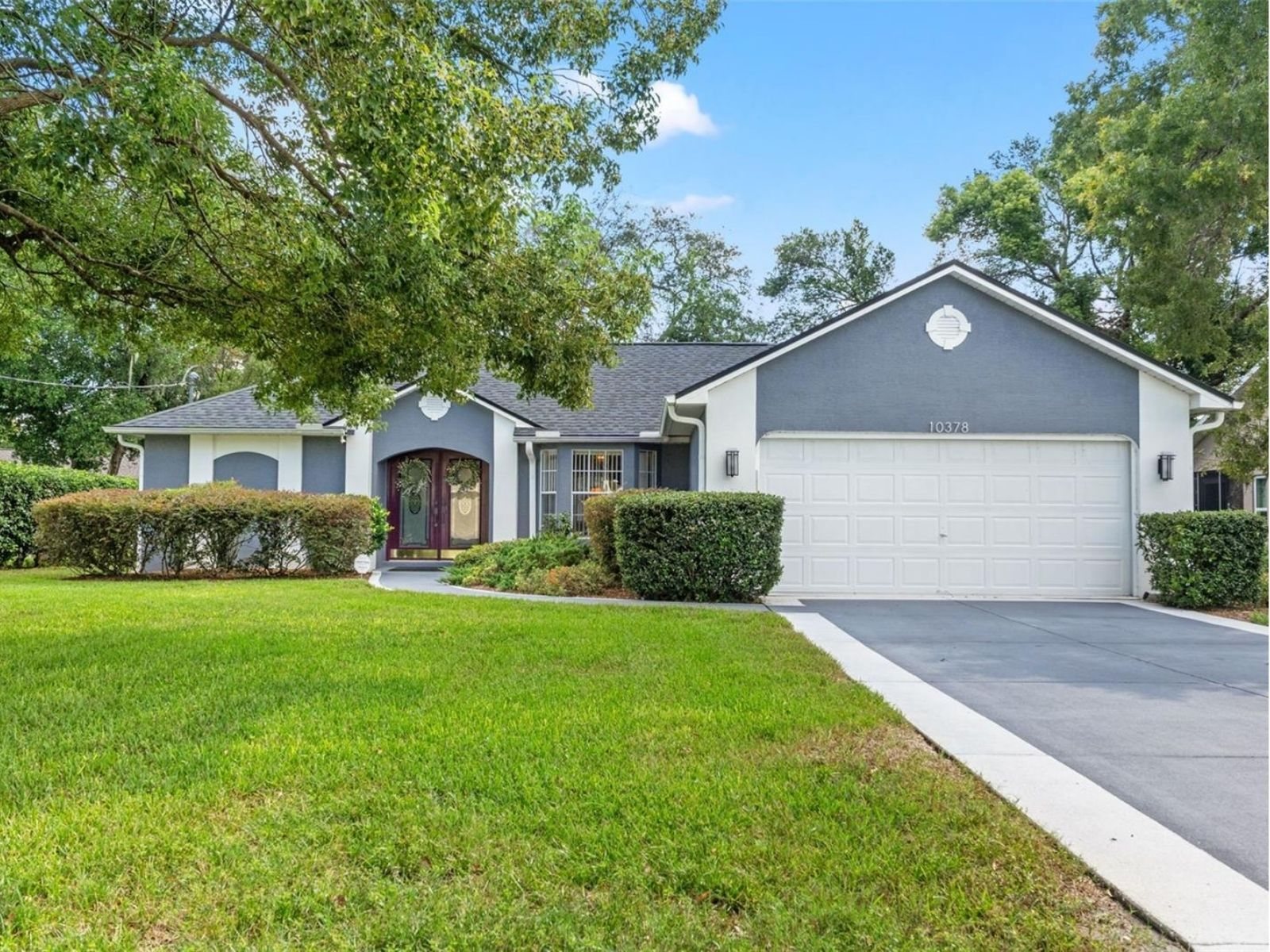
When selling an older Spring Hill home, focus first on anything that affects insurance or financing (roof age and condition, electrical panel, plumbing, water heater and AC), then on low-cost presentation like paint, lighting and cleanup. Big remodels rarely return their full cost. Price the home against similar-era homes in your neighborhood and be upfront about system ages so buyers can budget.
The Classic Spring Hill Home
Spring Hill’s early growth produced thousands of similar homes: concrete block construction, two or three bedrooms, one-car or two-car garages and quarter-acre lots, many on septic systems along streets without sidewalks or deed restrictions. That consistency is useful. It gives us plenty of comparable sales, so pricing can be very precise.
It also means buyers have seen a lot of these homes. Yours needs to compare well against the ones down the street.
Fix These First: Insurance and Financing Items
- Roof. Roof age and condition drive insurance options. See roof, 4-point and wind mitigation.
- Electrical panel. Certain older panel brands and outdated wiring can be flagged on a 4-point inspection.
- Plumbing. Older supply lines and fixtures may raise insurance questions. Fix active leaks.
- Water heater and AC. Know the ages; replace anything failing.
- Safety items. Missing handrails, broken windows or exposed wiring should be corrected.
Usually Worth It: Low-Cost Presentation
Fresh neutral paint, updated light fixtures, new cabinet hardware, a thorough cleaning, trimmed landscaping and a pressure-washed driveway change how buyers feel about an older home for relatively little money.
Usually Not Worth It: The Big Remodel
A full kitchen or bath remodel right before selling rarely pays for itself, and it delays your sale. Many buyers of older Spring Hill homes plan to renovate to their own taste. Price the home to reflect its condition and let them.
Sellers see memories. Buyers see projects. Our job is to fix the projects that scare buyers off and price the rest honestly.
Septic, Sidewalks and Other Older-Neighborhood Questions
Buyers moving from newer suburbs may not be used to septic systems or streets without sidewalks. A recent septic pump-out and inspection report answers the first question. The second is a lifestyle trade-off that many buyers happily make for no HOA fees and more freedom. See septic and wells when selling.
Pricing an Older Home
The best comparables are similar-era homes in your neighborhood with similar updates. A fully renovated home down the street isn’t your comparable unless yours is renovated too. Compare honestly, and adjust for roof and AC age, pool, garage and lot. See how to price your Spring Hill home.
Want a Plan for Your Home?
Every home and every seller is different. I’ll review your property, the homes it competes with and what you could walk away with, then lay out your realistic options. No pressure and no obligation.
Frequently Asked Questions
Should I renovate my older Spring Hill home before selling?
Usually not a full renovation. Fix insurance and financing issues and do low-cost cosmetic updates. Major remodels rarely return their full cost before a sale.
Will an old roof stop my house from selling?
It can limit financed buyers if they can’t get insurance. Replacing the roof, offering a credit or selling to cash buyers are all options to compare.
Can I sell an older home as-is?
Yes. Many older homes sell as-is to investors and owner-occupants. You still need to disclose known material defects.
Do buyers mind septic systems?
Most don’t, especially with a recent inspection and pump-out showing the system works.
Keep Reading
This article is general information, not legal, tax, insurance or engineering advice. Rules, programs and market conditions change, so confirm details for your specific situation with the appropriate professional.